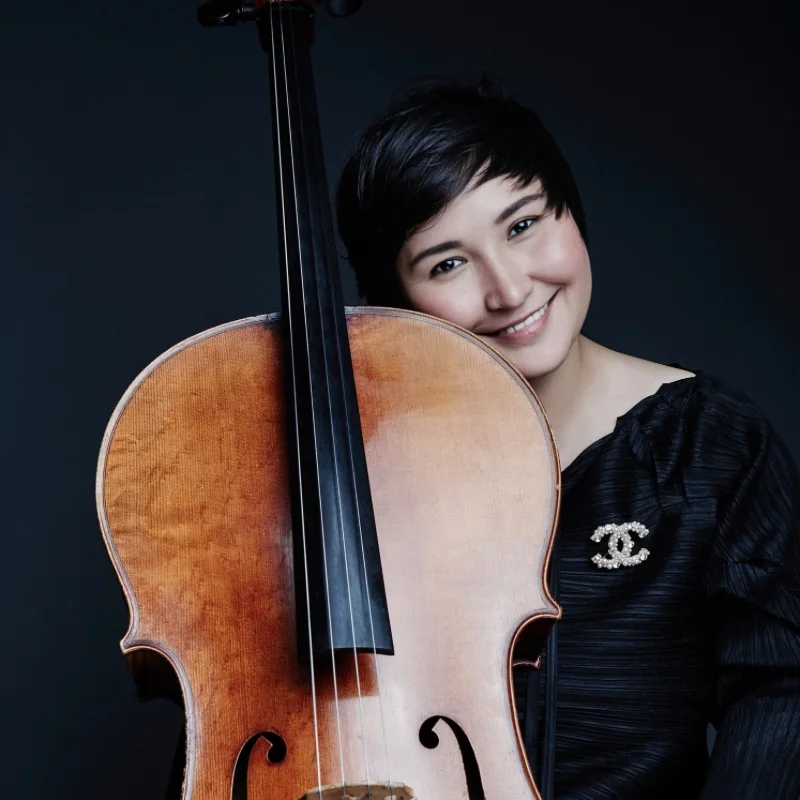
Cello music can give a wedding ceremony a clear emotional thread, from the first entrance to the moment everyone leaves together. Choosing it starts with the feeling you want to create. A favourite melody matters, but so do its length, the room and the people moving through the space. This guide helps you prepare a musical plan before discussing the details with Sandi Toka Nova.
Start with the moments, then choose the pieces
Mark the entrance, any musical interlude and the exit on your ceremony schedule. Ask the celebrant which moments need silence. A piece during a reading or spoken vows can compete with words that guests want to hear; a short interlude after them often gives those words more space.
For the entrance, share the approximate walking distance and who enters first. Live musicians can agree a clear cue and a suitable musical ending. Planning that ending matters more than making every song last exactly as long as its studio recording.
Build a small, meaningful repertoire
Saint-Saëns’ The Swan offers a flowing, lyrical starting point. Bach/Gounod’s Ave Maria has a different, more reflective character. A personal film melody or a carefully arranged pop song may feel closer to your story. Listen to recordings before choosing: the title alone does not tell you how an arrangement will sound.
Consider contrast across the ceremony. A spacious entrance, a quiet interlude and a brighter exit can form a natural arc without requiring a long list of pieces. Confirm the exact arrangement and instrumentation with the musicians rather than assuming every recording can be reproduced by a solo instrument.
Solo cello, piano and cello, or cello and organ?
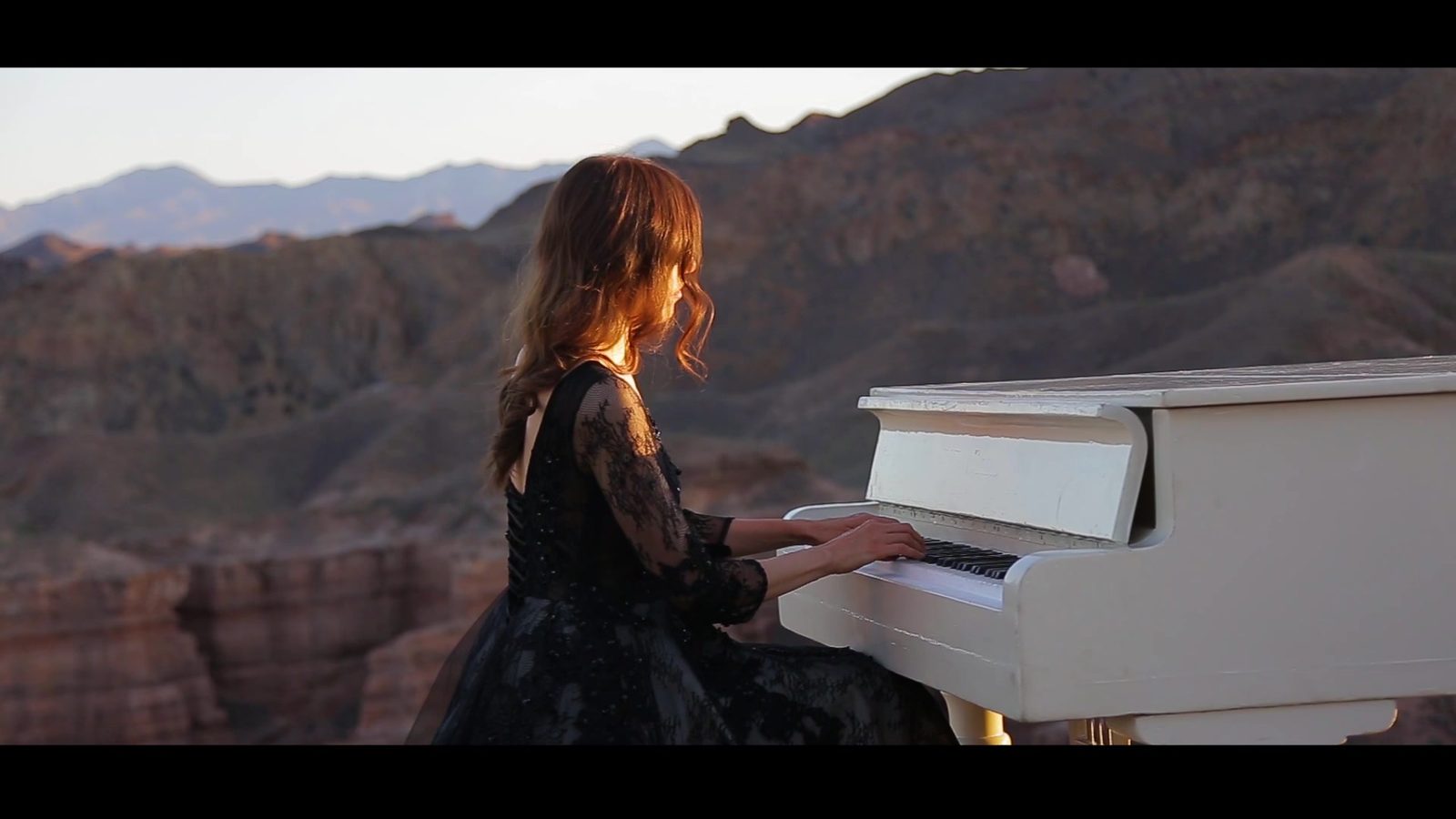
Solo cello brings the instrument’s line into focus. Depending on the programme, it can be acoustic or supported by backing tracks agreed in advance. SwissDuo with Irina Grebaus on piano adds live harmony and a second musical voice. The dialogue can be gentle, rhythmic or more concert-like.
Cello and organ is another SwissDuo option for a suitable venue. Before choosing it, confirm that the organ is available, that access for preparation is possible and that its position works with the cello and ceremony. A piano arrangement and an organ arrangement are separate musical decisions, even when the melody is the same.
Let the venue shape the sound
A resonant church, a small civil ceremony room and an outdoor terrace need different planning. Share photographs or a floor plan, the expected guest number and any restrictions on amplification. For outdoor music, arrange a level, sheltered playing area and a workable indoor alternative.
Discuss the instrument situation early: whether a usable piano is present, whether an electronic piano is needed, and where power and equipment can be placed safely. Volume should support the ceremony and the spoken word; more equipment does not automatically create a better atmosphere.
What to send with your enquiry
Send the date, venue, ceremony start time, approximate number of guests, preferred ensemble and two or three musical ideas. Include links to the versions you love and identify any song that is essential. Ask which requests need a new arrangement and what preparation time is available.
The Events pages explain the available settings, while the Music page lets you hear Sandi’s recordings. Start there, then use Contact to shape a programme around the actual ceremony. The aim is a few well-placed musical moments that feel connected to your day.
Questions & answers
Can cello be booked without a pianist?
Yes. Solo cello is an option; the suitable repertoire and any backing tracks are agreed for the occasion.
Can we request a particular song?
Share the title and a recording early. Its suitability, arrangement and preparation time need to be confirmed before it becomes part of the programme.