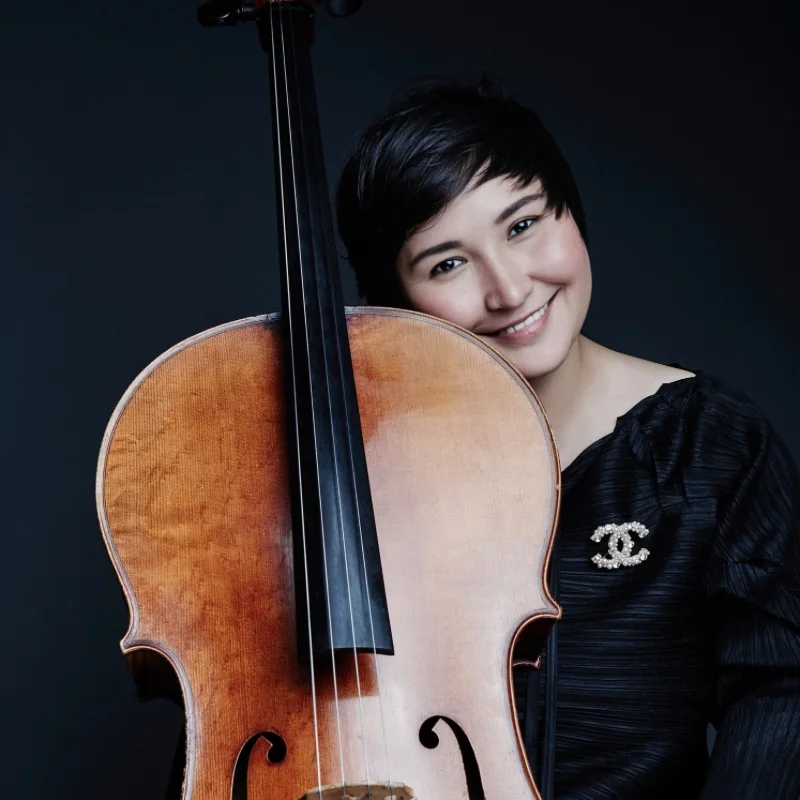
You do not need to recognise a musical form or read a score to find your way into cello music. Start with a melody, then notice what happens around it. Sandi Toka Nova’s recordings and videos offer several entrances: the intimacy of a duo, the scale of a concerto and the reimagining of Kazakh folk songs with SwissDuo.
Listen to a line rather than a label
For a first listen, choose a quiet few minutes and let one recording finish. Notice where a phrase seems to breathe, where the sound becomes brighter and how a note gives way to silence. These details can be more useful than deciding immediately whether the music is classical, cinematic or familiar.
On a second listen, shift attention to the accompaniment. Piano and cello can share a melody, respond to one another or create different layers. The same cello phrase feels different depending on the harmony and the space around it.
Begin with The Swan
Saint-Saëns’ The Swan is a good introduction to a sustained cello melody. In the recording with Irina Grebaus, listen to the relationship between the long cello line and the movement of the piano. The accompaniment is part of the expression, rather than simply a background to the solo voice.
Try following the beginning and ending of each phrase without counting beats. Then listen again for changes in intensity. You may find that a small change in colour or timing says as much as a louder passage. The Music page provides the recording; the Videos page offers another way to encounter the performers.
Change the scale with Vocalise and the concerto
Rachmaninoff’s Vocalise, recorded live with pianist Julien Quentin, offers a different kind of lyrical journey. Compare its changing harmonic tension with the atmosphere of The Swan. This is a listening invitation, not a test: there is no required emotion to identify.
Then turn to the live recording of Saint-Saëns’ Cello Concerto No. 1 with the Orchestre de Chambre de Lausanne. Notice how the cello’s role changes when an orchestra becomes its partner. A chamber dialogue and a concerto can reveal very different sides of the same instrument.
Hear familiar voices in Kazakh folk melodies
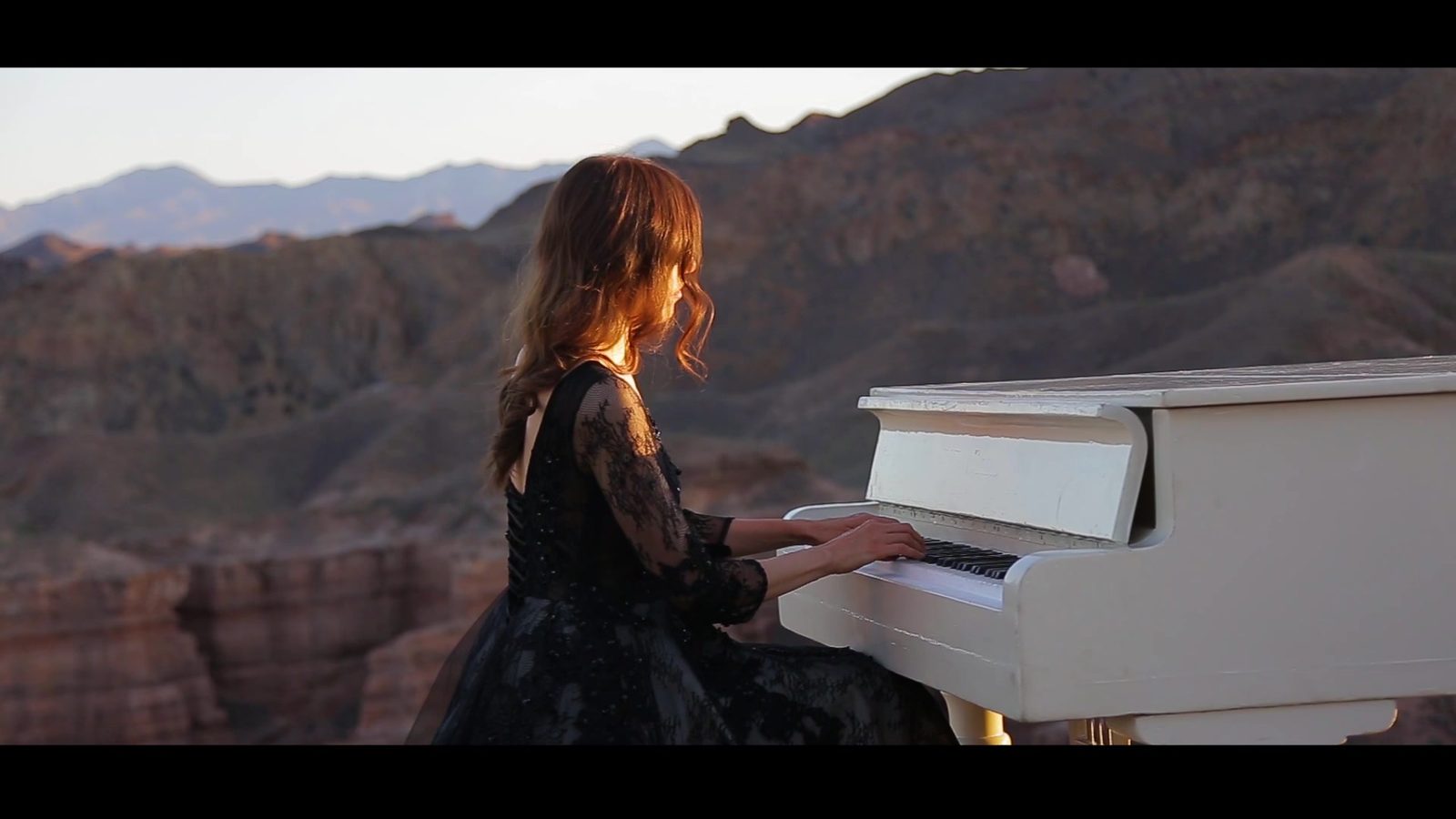
Kazakh Folk Songs Medley brings together Yapurai, Karatorgai, Dudarai and Naz Konyr in SwissDuo’s arrangement for piano and cello. Irina Grebaus and Sandi Toka Nova perform in the music video filmed in Charyn Canyon. The landscape is part of the visual experience; the musical relationship remains worth hearing on its own.
Listen first to the medley without trying to identify every tune. On a return visit, notice where a new melody arrives and how the accompaniment marks the transition. Folk material can retain a recognisable melodic identity while finding a new instrumental setting.
Leave room for original music
The player also includes a 30-second preview of Simple Question — OST: Beginning, credited to Irina Grebaus and Sandi Toka Nova. A film-music fragment invites a different kind of attention: listen for an atmosphere and an opening gesture rather than expecting a complete concert piece.
A useful listening route is The Swan, Vocalise, an excerpt from the concerto and then the Kazakh medley. Finish with the original preview if you want to hear another direction. Save the pieces that stay with you; they can become the starting point for a concert conversation or a personal event programme.
Questions & answers
Where can I hear the recordings?
Open Music and use the built-in player. It continues playing when you navigate between pages on the site.
Which melodies are in the Kazakh medley?
It brings together Yapurai, Karatorgai, Dudarai and Naz Konyr in a SwissDuo arrangement for piano and cello. The video was filmed in Charyn Canyon.